Escalating Tensions: Trump Threatens Iran's Energy Infrastructure
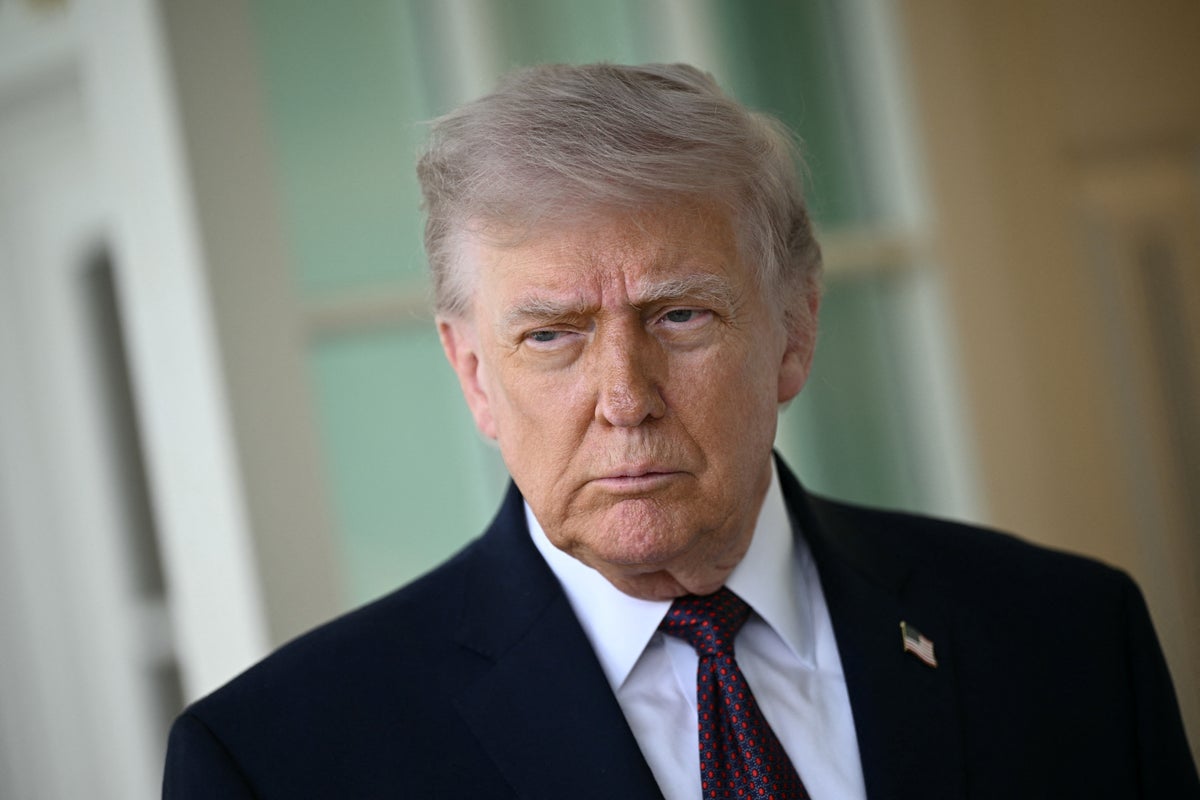
The **US-Iran conflict** has reached a boiling point as **President Trump** announced plans to blockade the **Strait of Hormuz**, a crucial oil shipping route,
Summary
The **US-Iran conflict** has reached a boiling point as **President Trump** announced plans to blockade the **Strait of Hormuz**, a crucial oil shipping route, following failed peace talks in **Islamabad**. This move has sparked concerns of an all-out war between the two nations. The situation is further complicated by the presence of **American warships** in the region. As tensions escalate, the international community is watching with bated breath, wondering what's next for **US-Iran relations**. The conflict has significant implications for **global oil prices** and **regional stability**. [[iran-us-relations|US-Iran relations]] have been strained for decades, and this latest development has raised fears of a catastrophic conflict. The **Strait of Hormuz** is a critical waterway, with **20% of the world's oil** passing through it. The situation is being closely monitored by **global leaders**, including those in **Europe** and **Asia**. The potential consequences of a war between the US and Iran are dire, with the possibility of **thousands of casualties** and **widespread destruction**. The conflict could also have a significant impact on **global markets**, with the potential for **oil prices to skyrocket**. As the situation continues to unfold, it's essential to consider the perspectives of all parties involved, including **Iran**, the **US**, and the **international community**. [[middle-east|Middle East]] stability is at risk, and the world is waiting to see how this situation will be resolved.
Key Takeaways
- The US has announced plans to blockade the Strait of Hormuz
- The conflict between the US and Iran has significant implications for global stability and the world economy
- The situation is complex and multifaceted, with both sides having valid concerns and grievances
- Diplomatic efforts are still possible, and international organizations can play a crucial role in facilitating peace talks
- The conflict could have catastrophic consequences, including the loss of thousands of lives and the destruction of critical infrastructure
Balanced Perspective
The situation between the **US** and **Iran** is complex and multifaceted. Both sides have valid concerns and grievances, and it's essential to understand the **historical context** of their conflict. The **US** has imposed **sanctions** on Iran, which have had a devastating impact on the country's economy. Meanwhile, **Iran** has been accused of supporting **terrorist groups** and developing **nuclear weapons**. To resolve this conflict, it's crucial to address these underlying issues and find a way to balance the interests of both parties. **Neutral third-party mediators**, such as **Switzerland**, could play a key role in facilitating negotiations. [[switzerland|Switzerland]] has a long history of neutrality and could provide a safe and impartial platform for talks.
Optimistic View
Despite the escalating tensions, there is still a chance for **diplomacy** to prevail. **European leaders** have called for calm and are urging both sides to engage in **peace talks**. The **US** and **Iran** have a long history of conflict, but there have been moments of cooperation in the past, such as the **Iran nuclear deal**. If both sides can find a way to put aside their differences and engage in constructive dialogue, it's possible to avoid all-out war. **International organizations**, such as the **UN**, can play a crucial role in facilitating these talks. [[united-nations|United Nations]] has a history of mediating conflicts and could be a key player in resolving this crisis.
Critical View
The situation between the **US** and **Iran** is dire, and the likelihood of all-out war is increasing by the day. The **US** has shown a willingness to use **military force** to achieve its objectives, and **Iran** has a history of responding to aggression with **force**. The conflict could have catastrophic consequences, including the loss of thousands of lives and the destruction of **critical infrastructure**. The **global economy** could also be severely impacted, with **oil prices** potentially skyrocketing. **Regional players**, such as **Saudi Arabia** and **Israel**, could also be drawn into the conflict, making it even more challenging to resolve. [[saudi-arabia|Saudi Arabia]] and [[israel|Israel]] have their own interests in the region and could play a significant role in shaping the outcome of this conflict.
Source
Originally reported by The Independent