
Contents
Overview
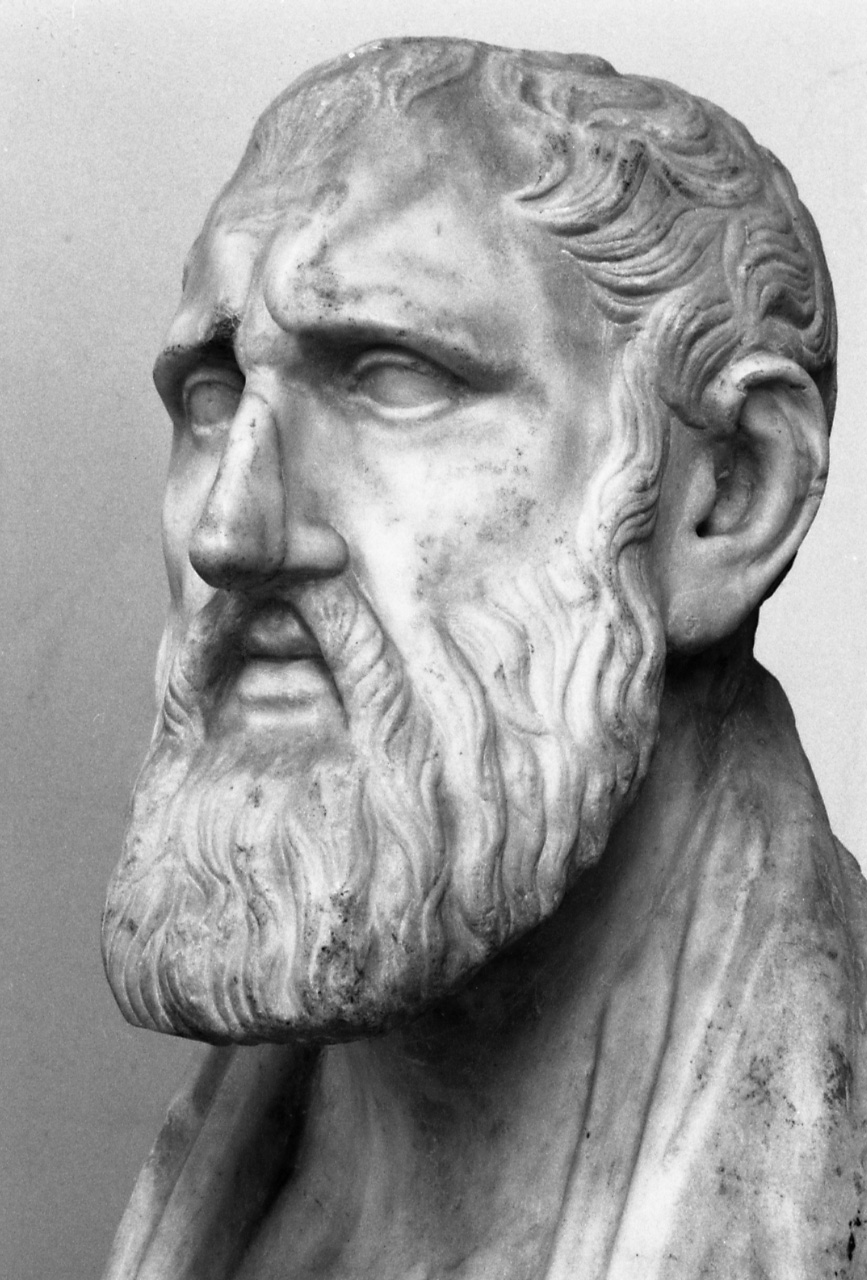
Stoicism, originating in Hellenistic Athens around 300 BCE with Zeno of Citium, is a philosophical school and practical guide to living. Its central tenet is that virtue is the sole good, and that external circumstances are indifferent. The goal is to achieve eudaimonia, often translated as flourishing or living a good life, through the cultivation of wisdom, justice, courage, and temperance. Stoics believed the universe is a rational, ordered whole governed by logos, and that living in accordance with this natural order is paramount. This philosophy is traditionally divided into three interconnected disciplines: physics, logic, and ethics.
🔬 How It Works (Mechanics)
The Stoic system operates on the principle of dichotomy of control: distinguishing between what is within our power (our thoughts, judgments, desires, and actions) and what is not (external events, health, reputation, wealth). By focusing exclusively on the former, individuals can achieve ataraxia (tranquility) and apatheia (freedom from disturbing passions). Ethics is the primary discipline, guiding individuals to act virtuously. Logic provides the tools for clear reasoning and argumentation, while physics offers an understanding of the cosmos as a rational, deterministic system, encouraging acceptance of fate. The practice involves constant self-examination, journaling, and applying philosophical principles to daily life.
📊 Key Facts, Numbers & Statistics
Stoicism emerged around 300 BCE. Key figures include Zeno of Citium (founder), Cleanthes, Chrysippus, Seneca the Younger, Epictetus, and Marcus Aurelius. The philosophy was a dominant force for centuries, influencing Roman thought and governance. Its core components are physics, logic, and ethics, all contributing to the pursuit of virtue as the highest good.
🌍 Real-World Examples & Use Cases
Stoicism's principles are remarkably adaptable. Marcus Aurelius, a Roman Emperor, famously wrote his personal reflections, Meditations, during military campaigns, demonstrating its application in leadership and adversity. Seneca, a statesman and playwright, used Stoic principles to navigate political intrigue and personal exile. Epictetus, a former slave, taught that true freedom lies in controlling one's inner world, a message that resonated across social strata. Modern applications include Cognitive Behavioral Therapy (CBT), which borrows heavily from Stoic techniques for managing negative thoughts and emotions.
📈 History & Evolution
Stoicism originated in the Hellenistic period, flourishing from the 3rd century BCE through the Roman Empire. Early Stoicism (Zeno, Cleanthes, Chrysippus) laid the theoretical groundwork. Middle Stoicism saw figures like Panaetius and Posidonius adapt it for Roman audiences. Late Stoicism, represented by Seneca, Epictetus, and Marcus Aurelius, focused on practical ethics and personal application. After the decline of the Roman Empire, Stoicism's influence waned but was later revived during the Renaissance and continues to be studied and practiced today.
⚡ Current State & Latest Developments
In recent years, there has been a significant resurgence of interest in Stoicism, often termed the 'Modern Stoicism' movement. Online communities, books, and courses dedicated to Stoic practice are proliferating. Organizations like the Modern Stoicism project promote Stoic principles through events like Stoicon conferences and the Daily Stoic newsletter. This revival emphasizes Stoicism as a practical toolkit for modern challenges, focusing on resilience, mindfulness, and ethical living in a complex world.
🔮 Why It Matters & Future Outlook
Stoicism offers a robust framework for navigating the uncertainties and challenges of modern life. For individuals, it provides tools for emotional regulation, stress management, and ethical decision-making. For leaders and organizations, its emphasis on reason, virtue, and duty can foster more resilient and principled cultures. The ongoing revival suggests a deep-seated human need for philosophies that promote inner strength and a clear moral compass in an often chaotic world. The future may see further integration of Stoic practices into mental health treatments and leadership development programs.
🤔 Common Misconceptions
A common misconception is that Stoicism advocates for suppressing all emotions. In reality, Stoics aimed for apatheia, which is not the absence of feeling, but freedom from irrational and excessive passions that disturb one's peace. They distinguished between healthy, natural emotions (like joy or caution) and destructive ones (like rage or crippling fear). Another misconception is that Stoicism is passive or fatalistic; rather, it emphasizes active engagement with what is within our control and rational acceptance of what is not. It's a philosophy of active virtue and reasoned choice, not resignation.
Key Facts
- Year
- c. 300 BCE - Present
- Origin
- Ancient Greece
- Category
- definitions
- Type
- concept
- Format
- what-is
Frequently Asked Questions
What is the main goal of Stoicism?
The main goal of Stoicism is to achieve eudaimonia, or human flourishing, which is attained through living a virtuous life guided by reason. This involves cultivating inner resilience, wisdom, justice, courage, and temperance, and accepting external events with equanimity. By focusing on what is within our control—our judgments and actions—Stoics aim for tranquility and a life well-lived, regardless of external circumstances.
How does Stoicism differ from other philosophies like Epicureanism?
While both Epicureanism and Stoicism aim for a tranquil life, their paths diverge significantly. Epicureanism identifies pleasure (understood as absence of pain